To support Giving Tuesday—the Tuesday after Thanksgiving weekend in the U.S. and a global movement that encourages acts of kindness and showing up for others—lululemon invited its community to move with purpose and give with impact. For every lululemon purchase made online and in stores across Canada and the U.S. on Giving Tuesday, the company donated $10 USD, up to $500,000 USD, to two long-standing partners aligned with its mission: Jack.org and the National Alliance on Mental Illness (NAMI).
This initiative resulted in lululemon donating $250,000 USD to each organization to further their work in mental health.
Jack.org, Canada’s largest network of young leaders advocating for youth mental health, empowers young people to learn about mental health, support their peers, seek professional support, and advocate for a future where youth can thrive in mental wellness.
“No young person should experience ongoing feelings of despair, worthlessness, or hopelessness without support. But many do,” said Vivien Glencross, VP, Development and Marketing, Jack.org. “We are grateful to lululemon for their support in helping us reach new communities of youth with enhanced mental health education and skill-building—ensuring that all young people across Canada get essential mental health education that’s engaging, safe, and adapted to youth needs.
This impact is reflected in the experience of young leaders like Isaiah Neil, a speaker for Jack Talks and former University of Alberta’s Golden Bears football player, who recently shared his mental health journey as part of Jack.org’s Year End Giving campaign, supported by lululemon. While he excelled on the field as a full-time student-athlete for the University of Alberta’s Golden Bears Football Team, Isaiah faced a personal struggle off the field, battling mental health challenges that left him fighting for his life and losing the will to live. Through his involvement with Jack.org, he learned that the path to wellbeing is best taken together with others. Now, Isaiah is committed to using his lived experience to make an impact with every moment of opportunity he’s given.
In the U.S., NAMI, the nation’s largest grassroots mental health organization, works to improve the lives of people affected by mental illness through education, support, advocacy, and leadership.
“Together with lululemon, we have done incredible work to help create access to wellbeing resources and tools, including reimagining crisis response in the United States through the establishment of the 988 mental health crisis and suicide prevention number,” said Jessica Edwards, Chief Development Officer, NAMI. “The additional support from lululemon through Giving Tuesday will help us continue our vital work, including expanding the NAMI HelpLine so it can be available to even more people in need.”
Mary, a member of NAMI, has a loved one with a serious mental health condition. In the past, she has had to call 911 during a crisis, but local emergency response teams often have no choice but to take her loved one to jail. As a volunteer at her local NAMI office in Washington, Mary frequently receives calls from families seeking immediate assistance. The 988 number is crucial for obtaining quick help in these situations.
Through lululemon Gives, the company’s global impact initiative dedicated to advancing mental health and wellbeing through movement and mindfulness, lululemon aims to equip 20 million people around the globe with the resources needed to improve their mental health and wellbeing by 2030
“Every community has different and unique needs when it comes to their mental health and wellbeing,” said Anne Wintroub, Head of Social Impact and Engagement, lululemon. “Our partners from grassroots organizations to global leaders, help us support people where they are and drive systemic change. We are proud to mark our first Giving Tuesday in North America by supporting Jack.org and NAMI who share our commitment to movement, mindfulness, and wellbeing.”
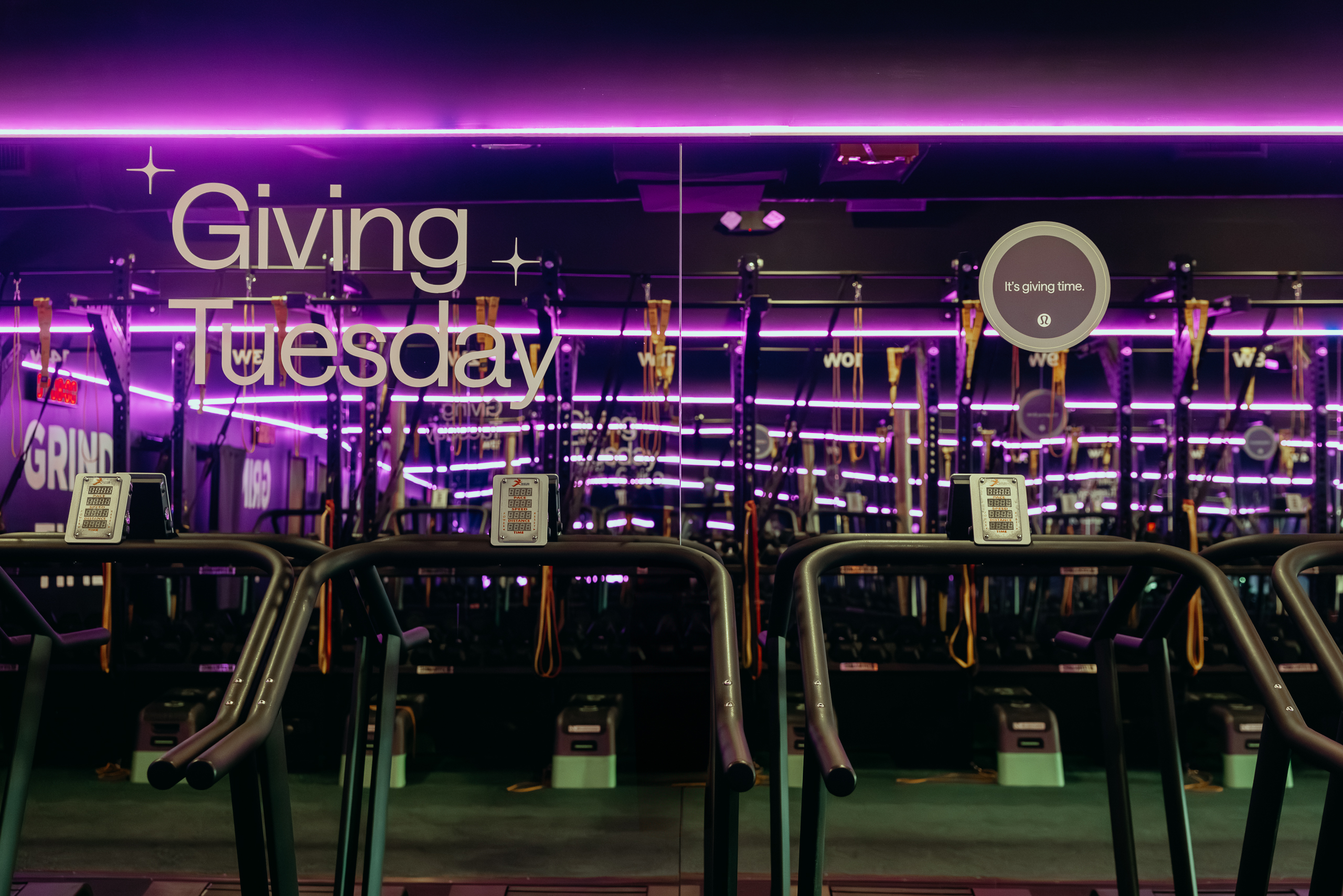
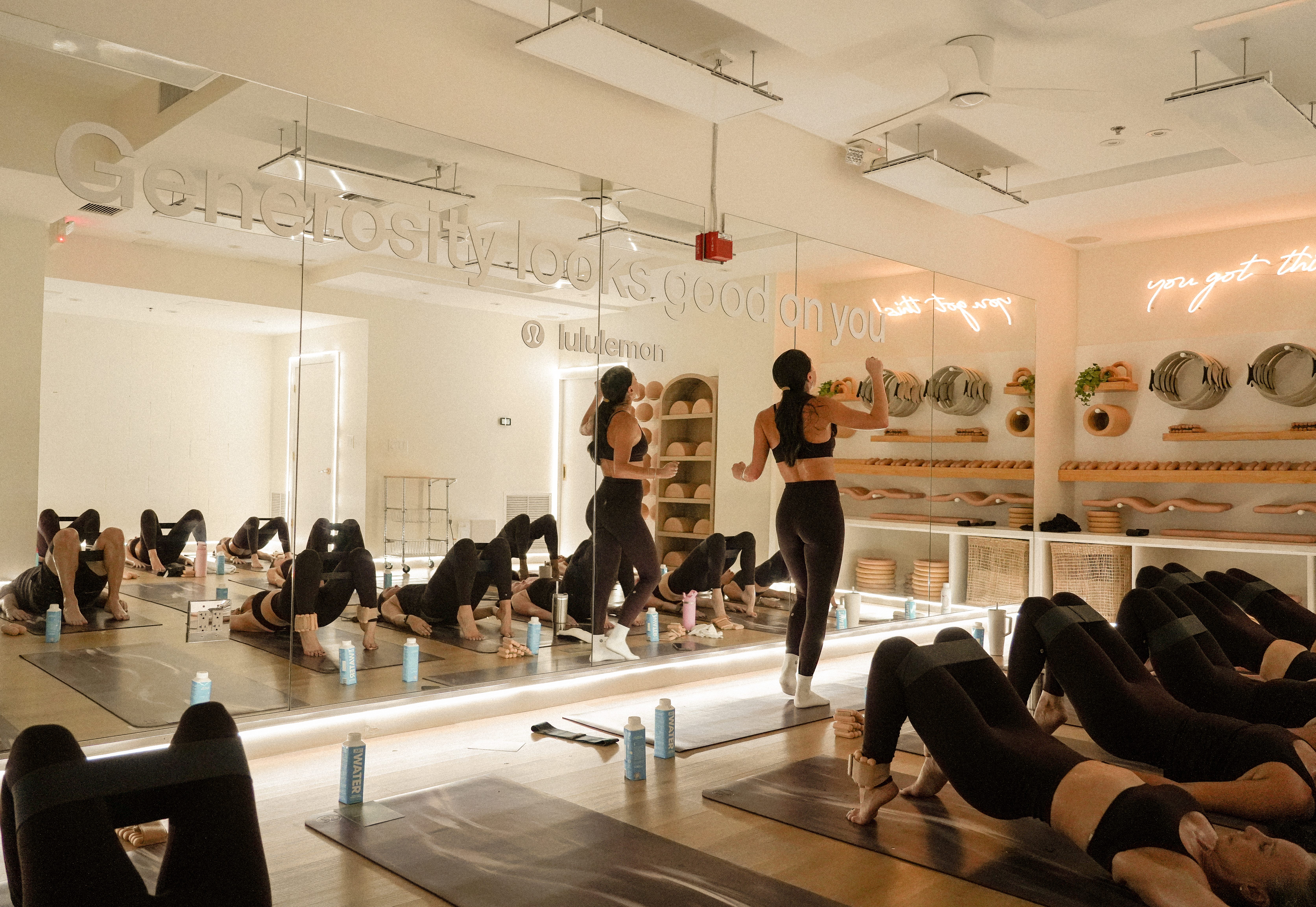
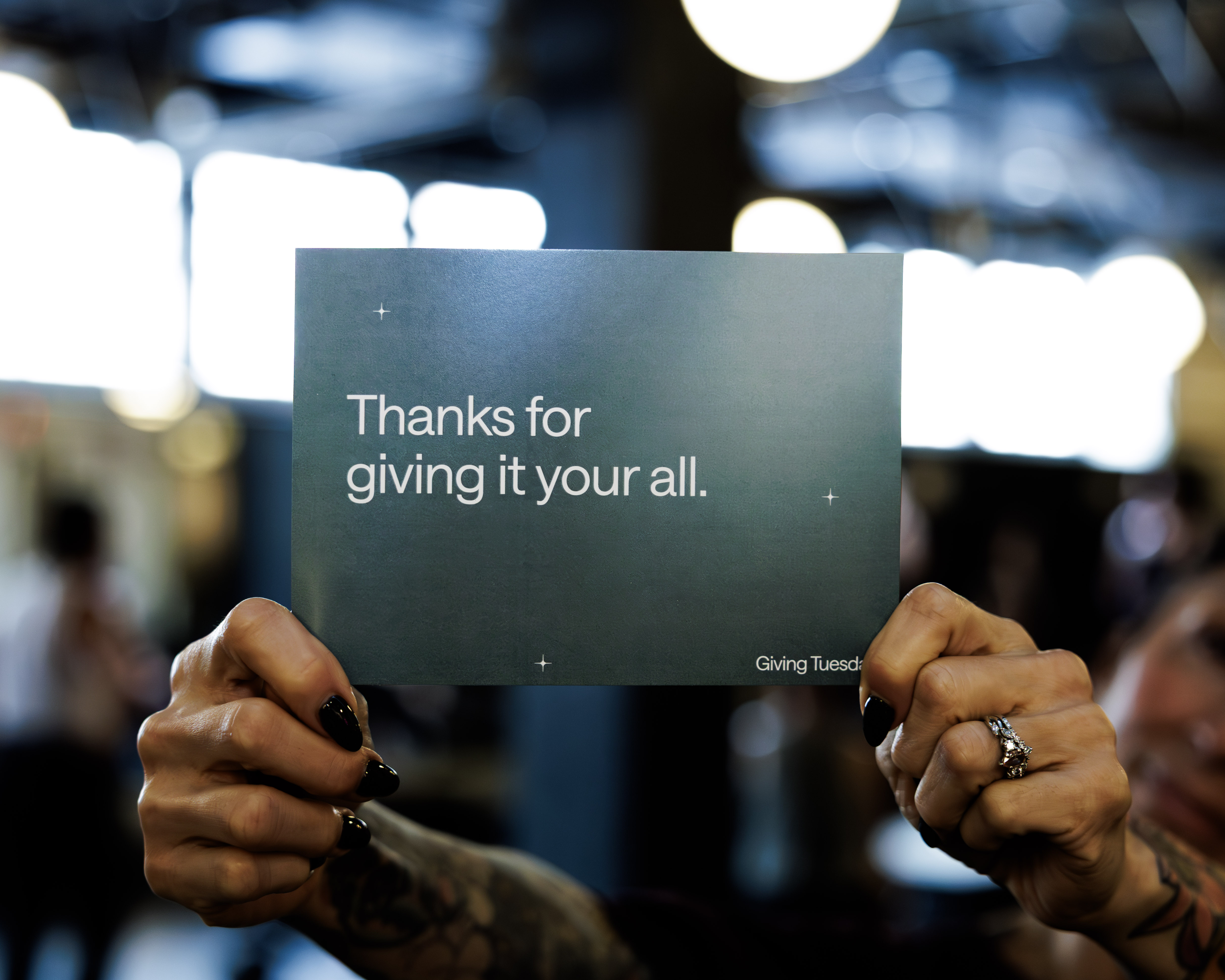
To bring Giving Tuesday to life in local communities, lululemon also hosted complimentary community classes across select studios nationwide to celebrate the occasion and give back to the community through movement. Participants received a post-class treat and gift, encouraging them to “pay it forward” with an act of generosity in their own communities.
For more information on lululemon Gives, please visit: https://corporate.lululemon.com/lululemon-gives